The Password Is Not a Plan: Digital Assets and the Modern British Estate
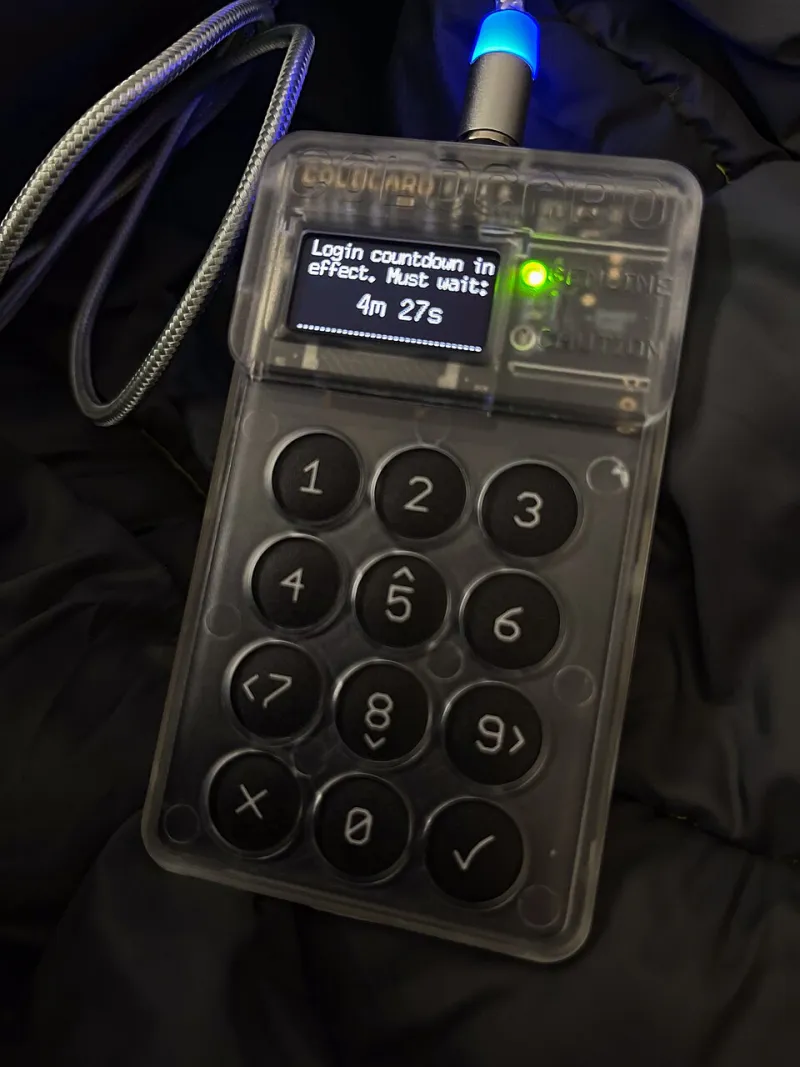
Photo: Tony Webster, CC BY 2.0, via Wikimedia Commons
A British estate in 2026 rarely fits in a filing cabinet. Alongside the house and the pension sit a self-custody crypto wallet, a nominee share account, a password manager holding two hundred credentials, a cloud photo library, a domain name, and an assortment of subscriptions that will keep renewing until somebody cancels the card.
Most of this is invisible to the people who will one day have to deal with it. That is the gap: the assets have become digital, while the machinery of succession remains stubbornly analogue.
Why the law struggles
A will disposes of property. But much of what we own digitally is not property in the tidy sense of a registered title. It is a contractual right of access to a service, governed by terms and conditions the deceased never read and the executor cannot vary.
Self-custodied crypto is the sharpest example. The asset exists on a public ledger, but the ability to move it exists only in a set of keys. No institution can reissue them. No ombudsman can compel a blockchain. English law has been moving towards recognising digital assets as a distinct category of property, and the Law Commission has recommended as much, but reform takes time, and estates cannot wait for it.
Three failures, in order of frequency
The asset is never found. Executors can only administer what they know about. Crypto bought in 2019, an old workplace share plan, a peer-to-peer account: these are frequently invisible until a bank statement reveals a regular transfer years later, by which time the tax deadlines have passed.
The asset is found but inaccessible. The laptop is there; the password is not. Two-factor authentication sends a code to a phone that has been disconnected. The platform insists on a grant of probate before it will even discuss the account, and probate takes months.
The asset is accessible but mishandled. Keys shared too widely in life, wallets emptied by someone who should not have had access, accounts closed before a valuation was taken for inheritance tax.
Begin with an inventory, not a clause
The single most useful document is not the will. It is a schedule: institution, account type, approximate value, how it is accessed, and who to contact. Keep it separate from the will, stored with a solicitor or in a reputable encrypted vault, and review it annually. It should be a map, not a key: no passwords in the document itself.
A letter of wishes, meanwhile, can express what you would want done, which accounts to close, which photographs to preserve, which causes to benefit, without the formality or the public record of a will.
The seed phrase problem
There is a temptation, once you understand the stakes, to write the recovery phrase down and put it with the will. Resist it. Wills become public documents at probate, and a seed phrase in a public document is a transfer of your assets to whoever reads fastest.
The workable structures are more considered:
- A hardware wallet with a documented recovery process, held securely, with instructions on how to use it kept separate from the material needed to use it.
- Multisignature arrangements, where two of three keys must agree, a genuine solution for larger holdings if the co-signers understand their role.
- Custodial accounts at a regulated exchange, simpler for executors to administer but reintroducing counterparty risk.
- A sealed letter held by a solicitor, released to executors on death, keeping sensitive material out of the public record.
- Specialist digital inheritance services, useful but never a substitute for legal advice.
Consolidation deserves serious consideration. Three wallets across two exchanges and a hardware device is a puzzle; one well-documented structure is an estate.
Use the tools already on the shelf
Several large platforms have built bereavement functions. Apple allows a nominated Digital Legacy contact to request access to account data. Google offers an Inactive Account Manager that can notify a trusted contact after a period of inactivity. Password managers commonly include an emergency access feature granting a nominated person entry after a waiting period. These are imperfect, but they are vastly better than nothing, and they cost nothing to configure.
Where lasting powers of attorney fit, and where they stop
A property and financial affairs lasting power of attorney allows your attorney to manage your affairs if you lose capacity. It does not survive your death. That distinction matters more than it used to: an attorney may need to operate accounts, deal with a platform or manage a wallet during a period of incapacity, and without an LPA they will be locked out. A health and welfare LPA, separately, can address what happens to personal accounts and images.
Both must be registered with the Office of the Public Guardian while you still have capacity. Neither is a substitute for a will; they cover different periods of a life.
The tax and probate reality
Cryptoassets form part of your estate for inheritance tax purposes and must be valued at the date of death. Because prices move, executors should record the valuation methodology and the exchange rates used. Inheritance tax is generally payable within six months of the end of the month of death, with interest accruing thereafter, and reporting obligations can apply even where no tax is due. Executors who cannot identify assets cannot value them, and estates that cannot value assets cannot be closed.
A 2026 action list
- Build the inventory, and give a copy to your executor.
- Nominate legacy contacts on the platforms that offer them.
- Configure emergency access in your password manager.
- Decide deliberately whether crypto is self-custodied or held with a custodian, and document the access route.
- Instruct a solicitor to draft or update the will, including a digital assets clause and a letter of wishes.
- Register lasting powers of attorney.
- Tell one trusted person that the plan exists, and where it lives.
- Review every year, ideally alongside your tax return.
The aim is not secrecy. It is structure. An estate that requires your family to become forensic accountants, negotiate with four platforms and guess at your passwords is not a legacy; it is a project. The paperwork is dull, and it is the kindest thing in the file.